
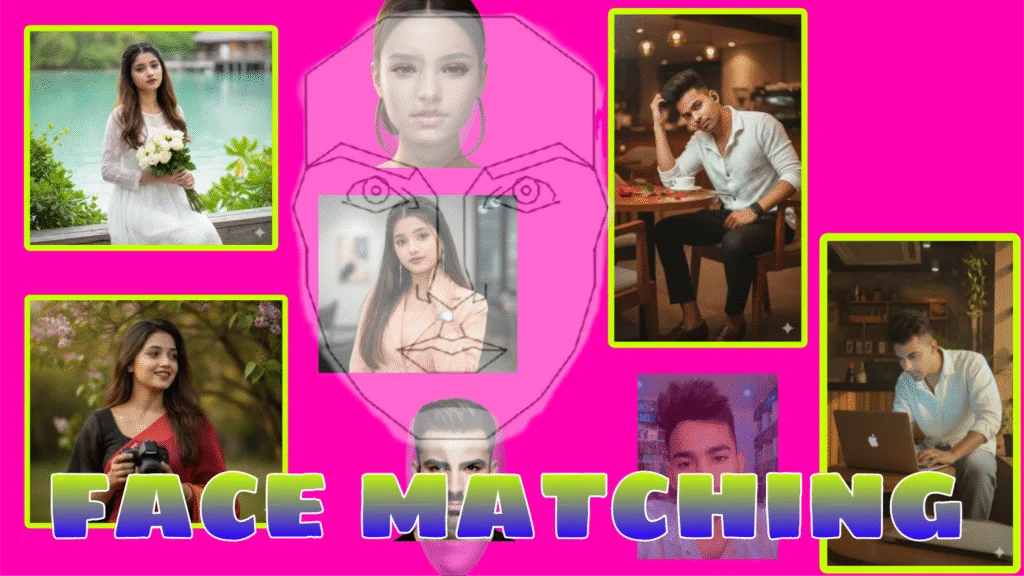
Face Matching Gemini
Introduction to Face Matching With Gemini
Face matching with Gemini refers to using Google’s advanced Gemini AI models to compare visual attributes of two images safely and ethically. Gemini does not perform identity recognition or confirm whether two photos show the same person. Instead, it analyzes non-biometric visual features, such as:
-
lighting
-
pose
-
expressions
-
image quality
-
artistic style
-
composition
-
angles
This makes Gemini useful for creative work, design, education, and analysis, without violating privacy or personal data protections.
Understanding What Gemini Can Do in Face Matching
Gemini focuses on visual reasoning, not identity. Below are its allowed capabilities.
 1. Attribute Comparison
Gemini can compare two images and highlight differences or similarities like:
-
head angle
-
smile or expression
-
background elements
-
lighting direction
-
color tone
-
artistic features
This is safe because it does not relate to identity matching.
2. Quality Analysis
Gemini evaluates:
-
clarity
-
sharpness
-
exposure
-
noise
-
framing
Useful for photographers, designers, and editors.
3. Creative Photo Comparison
Gemini can compare:
-
cartoon characters
-
avatars
-
stylized images
-
artwork
-
illustrations
Perfect for graphic design workflows.
4. Educational Image Reasoning
Gemini helps students interpret:
-
diagrams
-
character faces in literature
-
animated images
-
emotional expressions
-
visual storytelling elements
Great for classrooms and learning tools.
What Gemini Cannot Do in Face Matching
To maintain strict safety and privacy standards, Gemini will not:
-
identify people
-
match real faces across images
-
guess who a person is
-
analyze age, race, or personal traits
-
support biometric verification
-
assist in surveillance
These guardrails ensure ethical use and protect users from biometric misuse.
How Face Matching Works With Gemini (Safe Workflow)
Gemini follows a non-identifying visual analysis process:
1. Input Processing
Gemini receives two images and analyzes visual features like:
-
shapes
-
shadows
-
color patterns
-
expressions
-
image context
2. Semantic Comparison
The model compares similarities such as:
-
both faces smiling
-
both images having similar lighting
-
portraits taken at similar angles
-
similar artistic style
3. Insight Generation
Gemini provides high-level insights:
-
“These images have different lighting conditions.”
-
“The two faces appear to have distinct expressions.”
-
“The artistic style is similar across both images.”
No identity claims are ever made.
Why Use Gemini for Safe Face Matching?
1. Privacy Protection
Gemini avoids collecting or analyzing biometric identifiers.
2. Multimodal Intelligence
Gemini understands text + image together, enabling deeper insights.
3. Creative-Focused Results
Ideal for storytelling, design, editing, and photo analysis.
4. Developer-Friendly
Useful for building apps that require visual reasoning, not identity verification.
5. Ethical by Design
Complies with global privacy laws like GDPR and CCPA.
Top Use Cases for Face Matching With Gemini
Here are ethical applications users rely on today:
1. Photo Editing & Comparison
Gemini helps photographers:
-
choose the best photo
-
compare lighting setups
-
analyze angles
-
evaluate color balance
2. UI/UX Consistency Checks
Designers use Gemini to check:
-
profile photo guidelines
-
brand consistency
-
image orientation
-
color uniformity
3. Character Matching in Creative Work
For animations, comics, and games:
-
Gemini compares character expressions
-
checks continuity
-
analyzes stylistic elements
4. Learning and Education
Students can ask Gemini to:
-
compare emotions in story characters
-
analyze historical portrait styles
-
examine artistic differences
5. Visual Documentation and Research
Researchers use it to:
-
interpret diagrams
-
compare visual elements
-
study pose differences
-
analyze artistic evolution
Safe Gemini Prompts for Face Matching
Below are approved, safe prompt styles:
Allowed Prompt Examples
-
“Compare the lighting and facial expressions in these two photos.”
-
“Describe differences in head position between these images.”
-
“Are the artistic styles similar in these pictures?”
-
“Explain how the composition differs between these two portraits.”
-
“Which image appears clearer in terms of picture quality?”
These focus on visual attributes, not identity.
 Not Allowed Prompt Examples
-
“Tell me if these two photos are the same person.”
-
“Identify this person.”
-
“Verify this person’s identity from these images.”
-
“Match this face to another image.”
These are restricted for privacy and safety.
Tips for Best Results Using Gemini
1. Use Clear, Well-Lit Images
Better quality = better analysis.
2. Ask Attribute-Focused Questions
Gemini excels at visual interpretation.
3. Provide Context
Example:
“Compare these two photos for angle and lighting for a photography project.”
4. Keep Usage Creative and Educational
Gemini is strongest when used to support:
-
design
-
learning
-
storytelling
-
editing
-
quality evaluation
Conclusion: Face Matching Gemini Is Safe, Smart, and Extremely Useful
Face matching with Gemini offers a powerful, privacy-protected way to analyze images without identifying people. Its focus on visual attributes, creativity, and contextual reasoning makes it ideal for students, creators, designers, and developers.
By respecting strict safety rules and global privacy standards, Gemini ensures that image comparison remains ethical, responsible, and beneficial for all users.
If you want to read more information about how to boost traffic on your Website just visit –> The Insider’s Views


Face Matching Gemini: How Gemini AI Analyzes Face Similarity Safely and Ethically
Understanding Face Matching With Gemini AI
Face matching with Gemini refers to using Google’s Gemini models to analyze visual similarity, compare general facial attributes, and understand patterns in images in an ethical, privacy-focused way. Unlike facial recognition systems—which attempt to identify individuals—Gemini supports high-level, non-identifying analysis, such as:
determining whether two images look similar in style
comparing artistic or creative facial features
analyzing expressions, pose, or lighting conditions
assisting in quality assessment of photos
helping developers build privacy-safe verification workflows
Gemini is designed with strict safety constraints, ensuring it cannot identify real people, confirm identities, or enable surveillance.
What Gemini Can and Cannot Do in Face Matching
 What Gemini Can Do (Safe & Allowed)
Gemini can help with:
Comparing two photos for general similarity (lighting, angles, expression)
Analyzing artistic or stylized faces
Assessing facial features in fictional or AI-generated characters
Providing feedback on image quality
Helping build user-consented verification systems (without identification)
Matching cartoon, avatar, or stylized characters
What Gemini Cannot Do (Restricted for Safety)
Gemini will not:
identify real people
confirm whether two photos are the same person
match images for surveillance or monitoring
compare minors in unsafe contexts
process facial data without clear consent
These protections preserve user privacy and prevent biometric misuse.
How Face Matching Works With Gemini at a High Level
Although Gemini does not perform identity recognition, it can analyze photos using a structured visual approach:
1. Feature Detection
Gemini identifies general facial regions:
eyes, nose, mouth, expressions, shape, lighting, and angle.
2. Visual Feature Analysis
Gemini compares:
pose
lighting conditions
facial expressions
color tones
artistic or stylistic characteristics
image composition
3. Similarity Reasoning
Instead of confirming identity, Gemini responds with:
“These images share similar lighting and pose.”
“The characters have comparable facial expressions.”
“These faces differ in structure and style.”
4. Privacy-Preserving Safeguards
Responses never include:
identity claims
biometric classification
personal identification
This makes face matching both useful and safe.
Top Use Cases for Face Matching With Gemini (Ethical Applications Only)
1. Photo Quality Comparison
Gemini can help compare:
clarity
sharpness
lighting
noise levels
composition
Useful for photographers, editors, and content creators.
2. Creative Image Matching
Gemini is excellent for matching:
character designs
artistic styles
cartoon avatars
AI-generated portraits
graphic illustrations
The model excels in comparing creative visual features.
3. UX & Design Workflows
Gemini can support developers by analyzing:
whether two profile photos fit brand guidelines
consistency across user-generated uploads
image format and visual alignment
This is safe because it focuses on image quality, not identity.
4. Educational and Research Insights
Gemini can be used to:
teach visual analysis
explain differences in facial expressions
explore cultural variations in art styles
study lighting and angle effects
Perfect for academic environments.
5. Video Production & Animation
Gemini helps creators with:
matching character expressions across frames
comparing storyboard visuals
maintaining continuity in digital scenes
This enhances workflow without compromising privacy.
Why Gemini Is a Safe Choice for Face Matching Workflows
1. Built-In Privacy Protection
Gemini avoids face recognition and identity matching.
It ensures compliance with global data laws:
GDPR, CCPA, and biometric safety standards.
2. High-Quality Visual Reasoning
Gemini is exceptional at understanding:
expressions
symmetry
artistic differences
compositional elements
without identifying people.
3. Versatility Across Industries
Safe face comparison helps:
artists
educators
developers
marketers
creators
UI/UX designers
4. Ethical AI by Design
Google’s models enforce strict safeguards, preventing harmful uses.
Best Practices for Using Gemini for Face Matching
1. Always Use Consented Images
Photos must come from users who knowingly agree to analysis.
2. Focus on Attributes, Not Identity
Ask about quality, lighting, expression—not personal identity.
3. Avoid Sensitive Demographics
Do not request age, race, or identity-based matching.
4. Use High-Quality Photos
Clear visuals produce more useful attribute feedback.
5. Keep Use Cases Educational, Creative, and Ethical
Stick to safe, human-centered applications.
Prompt Examples for Safe Face Matching With Gemini
Here are allowed and ethical prompt styles:
Safe Prompt Example
“Compare the lighting and facial expressions in these two images.”
Safe Prompt Example
“Do these two character illustrations share a similar art style?”
Safe Prompt Example
“Describe differences in pose and angle between these two pictures.”
Unsafe Prompt Example (Not Allowed)
“Tell me if these two photos are the same person.”
Unsafe Prompt Example
“Identify this person or match them to another image.”
Safe prompts focus on visual analysis, not identity.
The Future of Face Matching With Gemini
As Gemini evolves, it will:
improve image reasoning
enhance creativity tools
increase safety guardrails
support ethical biometric workflows
help creators build compliant apps
Face matching is shifting from identification to interpretation, and Gemini is leading the transition.
Conclusion: Face Matching With Gemini Done the Right Way
Face matching Gemini represents a privacy-focused, modern approach to image comparison.
Instead of identifying people, Gemini safely analyzes visual attributes, quality differences, and creative patterns—making it ideal for designers, educators, creators, and developers.
Ethical, compliant, and powerful, Gemini enables safe face matching that respects personal privacy and supports meaningful innovation.
If you want to read more information about how to boost traffic on your Website just visit –> The Insider’s Views
